
자녀가 프리다이빙을 배워야 하는 5가지 이유

숨 참기 다이빙이 아이들에게 평생 사용할 기술을 가르치는 방법.
작성자: 크리스티나 즈바리치
편집자 디나 린치
사진 © 노박 가족
TikTok과 인스타그램 시대에 여러분의 자녀는 텅 빈 푸른 물 속을 날아다니는 프리다이버의 영상이나 반짝이는 물고기 떼 사이를 활공하는 영상을 쉽게 스크롤하며 그 영상에 매료될 수 있습니다. 아마도 그들은 이미 가지고 있고 언제 프리다이빙을 배울 수 있는지 묻고 있을 것입니다. 프리다이빙의 안전 측면에 대해 궁금한 점이 있다면 매우 타당한 우려입니다. 좋은 소식은 적절한 교육을 받으면 안전할 뿐만 아니라 성장 중인 자녀에게 많은 훌륭한 이점을 제공한다는 것입니다.
안전과 물에 대한 자신감
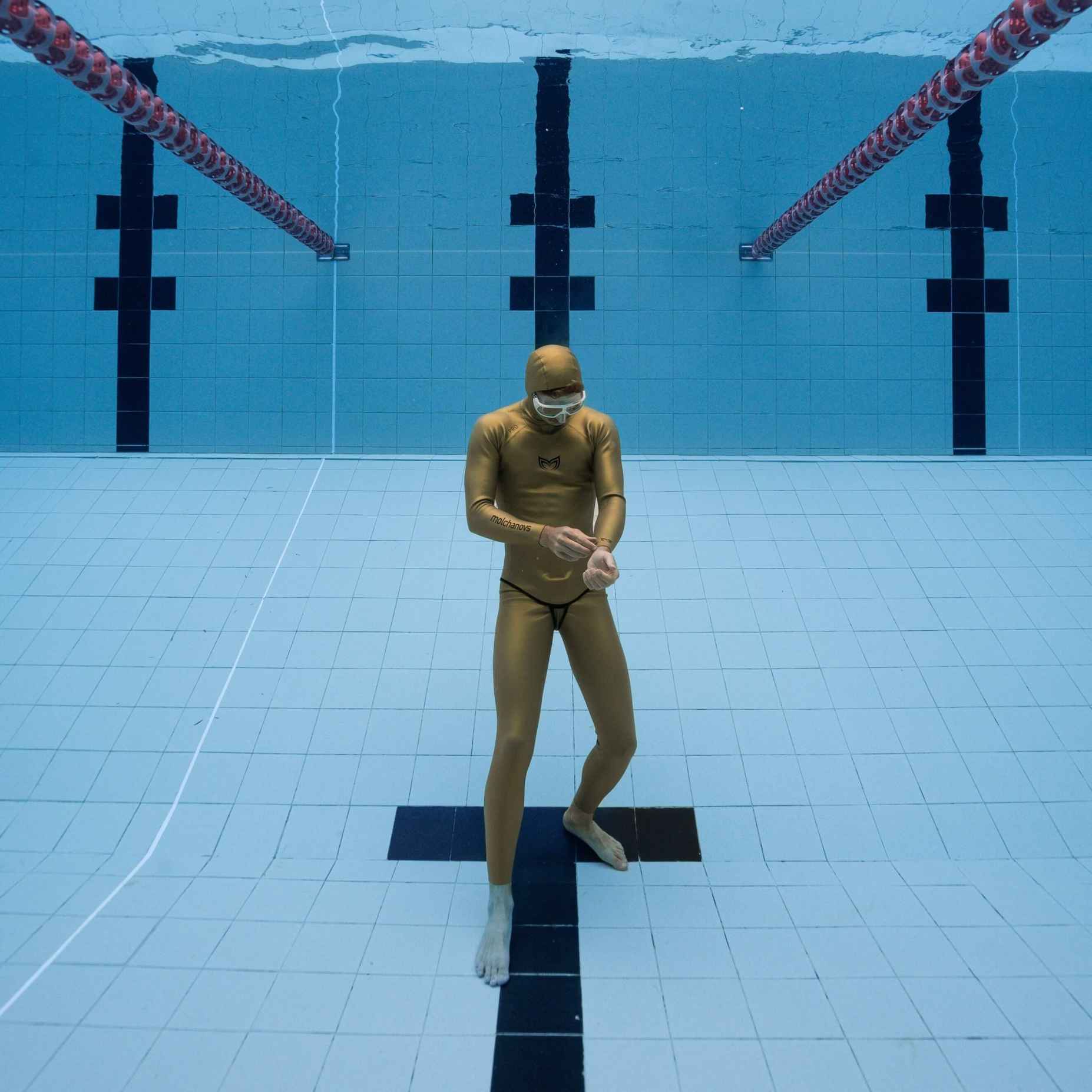
 어린이 수영장 프리다이빙을 가르치는 프리다이빙 챔피언 Alexey Molchanov
호기심 많은 아이들이 물 가까이에 있는 수영장이나 해변에서 긴장한 적이 있습니까? 자녀가 휴가 중에 부모와 함께 있든, 다른 사람의 감독 하에 친구들과 놀든 관계없이 사고를 예방하는 가장 좋은 방법은 아이들이 수영하는 방법을 알고 물 속에서 자신감 있고 안전한지 확인하는 것입니다. 아이들이 프리다이빙을 배우면 수중 환경에서 진정으로 편안함을 느끼고 자신의 한계를 인식하며 물을 두려워하기보다는 이해하고 존중하는 유능한 수영 선수가 됩니다.
신체 발달
미국 질병 통제 센터에 따르면 다음과 같은 것들이 있습니다. 신체적으로 활동적인 어린이에게 중요한 건강상의 이점. 프리다이빙은 독특하고 충격이 적은 방식으로 이를 제공합니다. 프리다이빙이 성인의 심혈관 건강을 강화하고 호흡 근육을 강화하며 폐활량과 탄력성을 증가시키고 신체 인식을 향상시키는 것처럼 어린이에게도 마찬가지입니다! 또한, 숨참기 훈련은 아이들에게 무서운 느낌을 줄 수 있는 신체적 감각을 편안하게 느낄 수 있도록 가르칩니다.
정신적, 정서적 기술
프리다이빙에서는 10%만이 육체적이고 나머지 90%는 정신적이라는 말이 있습니다. 본질적으로 프리다이빙은 근본적으로 압박 속에서도 침착함을 유지하는 것이며, 이 기술은 스트레스를 관리하고 감정을 조절하는 방법을 배워야 하는 실제 생활에도 적용됩니다. 아이들은 프리다이빙을 할 때 미래를 위한 필수 도구인 도전적인 것을 마스터하면서 마음을 조용하게 하고, 집중하고, 자신감을 키우는 법을 배웁니다!
자연과의 연결
 돌고래 무리 사이에서 바다를 탐험하는 어린 소년. 사진 © 노박 가족
아이들은 자연스럽게 동물과 새로운 환경에 대해 호기심을 갖고 있으며, 이러한 타고난 관심은 공감과 책임감을 배우는 데 도움이 됩니다. 수영장이든 바다든 무중력의 조용한 세계를 이동하면서 프리다이빙을 할 때 그들은 수중 환경과 친밀한 관계를 형성하고 해양 생물에 대한 더 깊은 이해를 발전시킵니다. 우리 바다가 다음 세대, 즉 보존과 환경에 열정을 가진 성인들이 절실히 필요하다는 것은 누구나 다 아는 사실입니다.
압력 없는 징계
많은 경쟁적인 청소년 스포츠와는 달리 프리다이빙의 발전은 본질적으로 개별적입니다. 또래들과 경쟁하는 대신, 아이들은 자신의 몸에 귀를 기울이면서 개인적인 목표를 설정하는 방법을 배웁니다. 이는 내재적 동기를 형성합니다. 트로피나 학교 팀의 위치에 초점을 맞추기보다는 진심으로 원하기 때문에 향상됩니다! 프리다이빙을 통해 그들은 너무 세게 밀면 효과가 없다는 것을 배우게 될 것입니다. 앞으로 나아갈 수 있는 유일한 방법은 휴식, 준비, 정직한 자기 평가를 통해서입니다.
귀하의 자녀가 프리다이빙을 발견할 준비가 되셨나요?
 프리다이빙은 재미있고 가족 친화적인 활동입니다. 사진 © 노박 가족
자녀가 프리다이빙 세계로 뛰어들 준비가 되었다면 다음을 확인하세요. Molchanovs 주니어 프리다이빙 교육 시스템! 러시아에서 14년 넘게 주니어 프리다이빙 훈련을 가르친 경험이 있는 Olga Lukova 박사가 만든 이 코스는 4~7세, 8~11세, 12~15세의 세 가지 연령 그룹으로 구분됩니다. 아주 어린 아이들은 수영장에서 표면 수영을 배우고 물 속에서 편안해지는 것부터 시작하며, 나이가 많은 아이들은 프리다이빙의 모든 분야로 발전합니다.
아이들은 수영장 프리다이빙을 위한 랩 코스나 개방 수역 다이빙을 위한 웨이브 코스를 수강할 수 있어 부모가 어디에 있든 최고의 유연성을 제공합니다. 많은 주니어 프리다이빙 강사들은 부모와 자녀 모두가 함께 프리다이빙을 배울 수 있는 캠프를 제공하여 휴가에 마법을 더해줍니다!
찾기 근처의 주니어 강사 또는 팔로우 @molchanovsjunior 인스타그램을 통해 전 세계 젊은 프리다이버들로부터 영감과 업데이트를 받으세요
이것이 프리다이빙이 귀하와 귀하의 자녀에게 어떻게 도움이 될 수 있는지에 대한 새로운 통찰력을 촉발했다면, 더 많은 것을 탐구해 볼 수 있습니다. 잡지 구독 최신 기사, 팁, 이야기 및 경쟁 보고를 확인하세요.
면책조항: 이 기사는 교육 목적으로만 작성되었습니다. 어린이는 자격을 갖춘 성인의 감독과 연령에 맞는 안전 프로토콜 하에서만 숨 참기 또는 프리다이빙 활동에 참여해야 합니다. 모든 활동은 숙련된 전문가 또는 인증된 강사의 지침을 따라야 하며, 이 문서는 공식 교육이나 전문적인 조언을 대체할 수 없습니다.
코멘트를 남겨주세요